
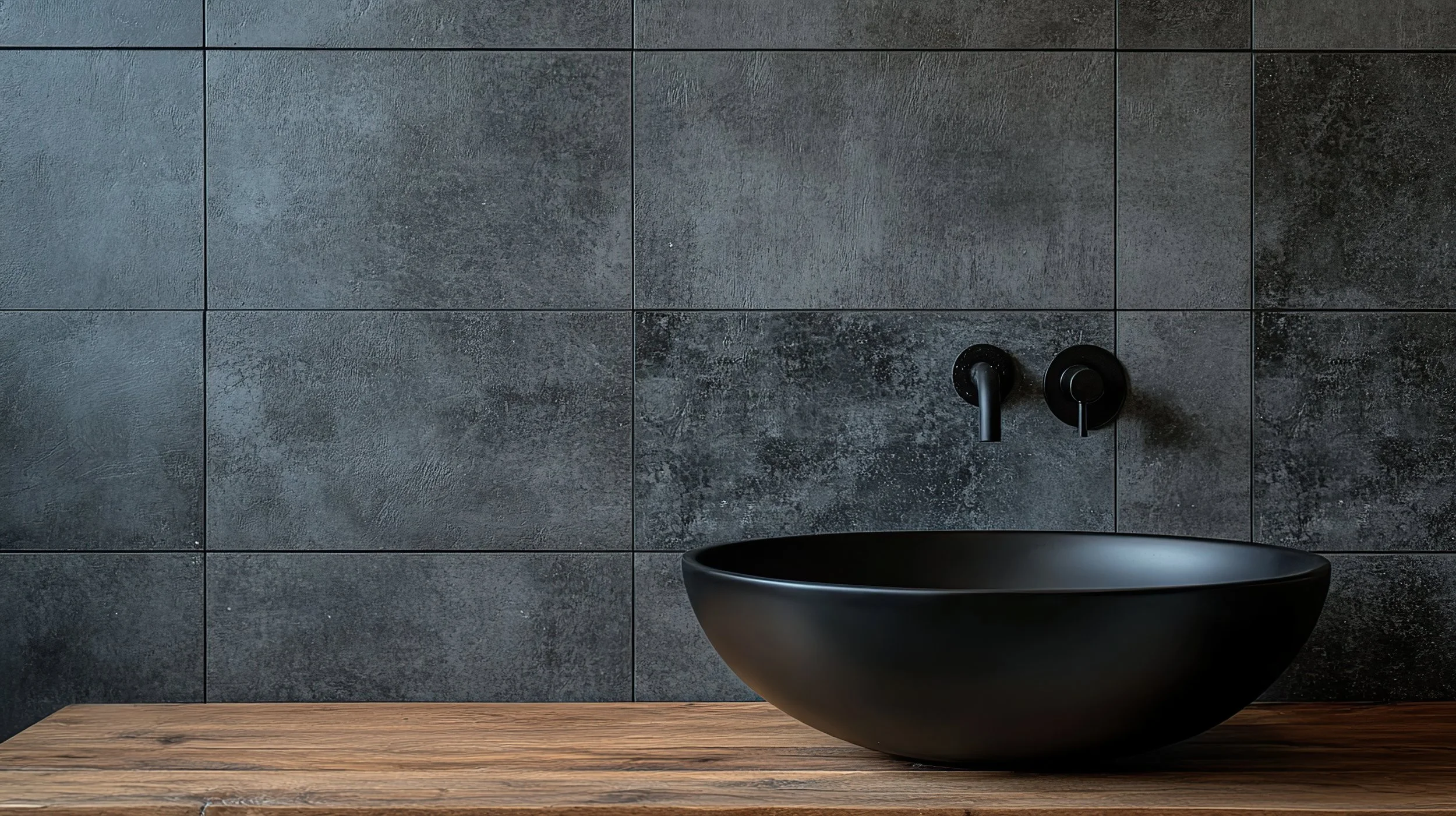
What You Need.
Whether you are building or renovating, you need to ensure your bathrooms and wet areas are waterproofed correctly and comply with Australian Standard (AS) 3740 for waterproofing domestic wet areas.
Let’s be honest—bathrooms deal with a lot of water. Between steamy showers, splashes from the sink, and the occasional overflow (hey, it happens), moisture is everywhere. That’s why waterproofing your bathroom isn’t just a good idea—it’s an absolute must to prevent water damage and mould.
Bye-Bye, Water Damage
Water might seem harmless, but over time it can cause serious damage. Without proper waterproofing, it can sneak behind tiles, under floors, and into walls, leading to rot, stains, and even structural issues. And trust us, fixing that kind of damage isn't cheap.
No One Wants Mould
Mold loves damp, dark places—like the inside of your bathroom walls if they aren’t properly sealed. Besides being gross, mold can cause health problems and is a pain to get rid of. Waterproofing keeps the moisture out, which means mould stays out too.
Save Yourself Some Cash
Waterproofing might feel like just another item on your building or renovation checklist, but it’ll save you money in the long run. Think fewer repairs, no surprise water damage, and long-lasting tiles and grout.
Protect the Rest of Your Home
When water escapes your bathroom, it doesn’t just disappear—it soaks into nearby rooms. That can ruin carpets, warp wooden floors, and even mess with electrical systems.
Boost Your Home's Value
Thinking about selling someday? A properly waterproofed bathroom is a major plus. Buyers love knowing they won’t have to deal with leaks, mold, or repairs.
It’s the Rule (Seriously)
In Australia, waterproofing isn’t optional—it’s required by law. So if you're building or renovating, it's best to make sure you’re following the rules and avoiding future headaches.
Bottom line?
Waterproofing is one of those things you don’t really notice when it’s done right—but you definitely notice when it’s not. So do yourself (and your bathroom) a favour and make sure it’s properly sealed and protected!
What We Do.
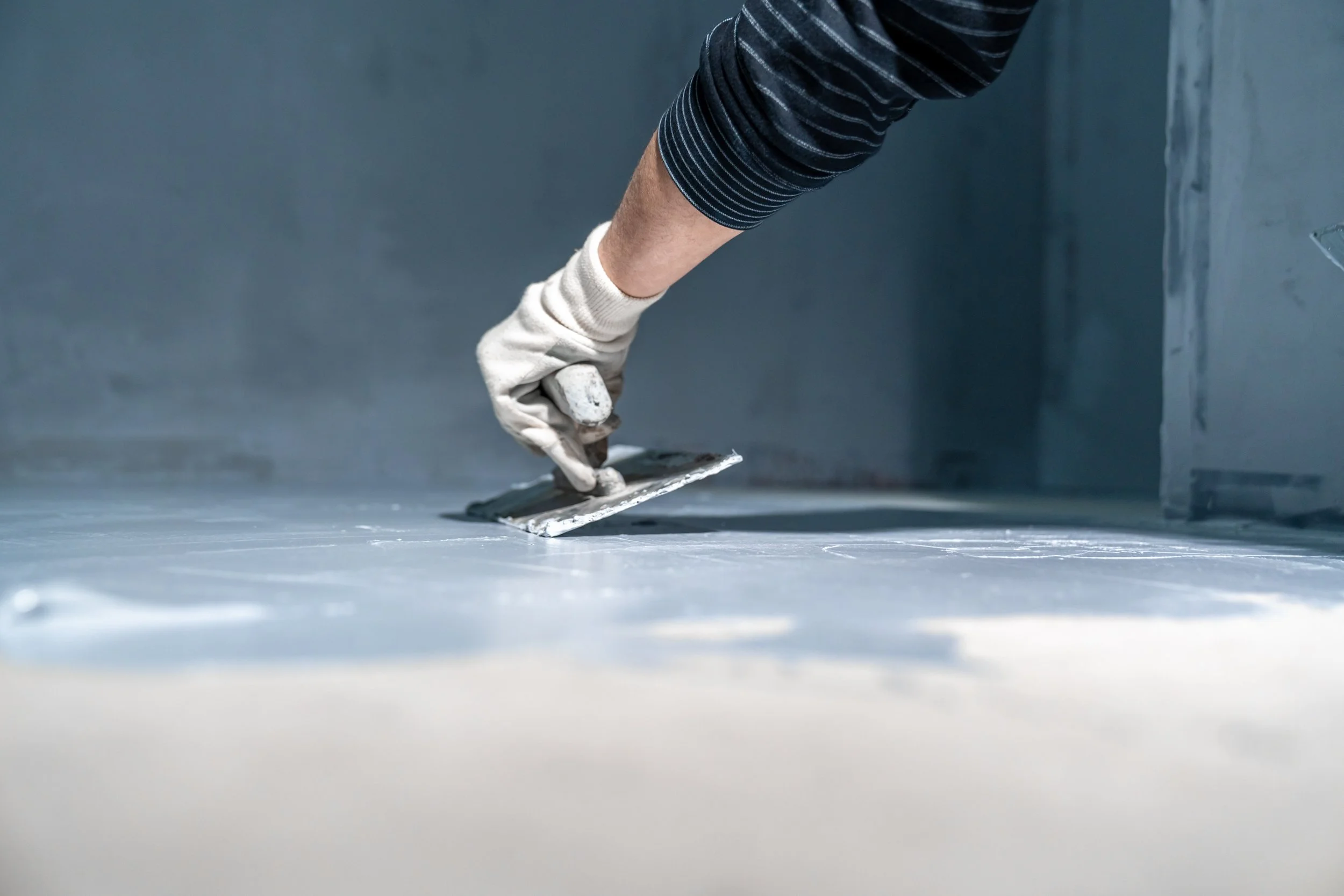
Our job is to ensure water stays where it’s supposed to be—especially in places like bathrooms, kitchens, and wet areas. Our goal is to comply with the rules of the construction industry and keep your bathroom dry underneath the surface so that everything you don’t see stays safe and sound for years to come.
When we work on a bathroom, we start by prepping the surfaces—walls, floors, and corners—making sure everything is clean, dry, and ready. Then I apply a special special primer and allow to dry thoroughly. Once dry we can go to work with the waterproofing materials, like membranes and sealants, that act as a barrier to stop water from leaking into the structure of your home. We pay close attention to the tricky spots— around drains, under showers, and anywhere two surfaces meet. Those are the critical areas where water loves to sneak through if you're not careful.
Basically, we’re here to prevent water damage, mould, and costly repairs. So while the finished bathroom might look all about style and shine, the work I do behind the scenes is what helps keep it that way!
Key Considerations
Professional Installation: It's crucial to hire a licensed professional experienced in waterproofing to ensure proper installation. With over 15 years’ experience in waterproofing, our team understands the importance of getting the details right. We regularly update our skills and knowledge to stay aligned with Australian Standards and industry best practice, and hold nationally accredited CPC31420 – Certificate III in Construction Waterproofing. You can be confident that our work is carried out by a qualified professional.
Manufacturer's Instructions: Waterproofing systems should be installed according to the manufacturer's instructions and guidelines.
Documentation: Ensuring that every project is fully documented and complies with the NCC (National Construction Code) is important for peace of mind. We provide waterproofing certificates upon completion.
What We Use.
Australian Standard (AS) 3740 for waterproofing domestic wet areas outlines the minimum requirements for materials, design, and installation of waterproofing systems in areas like bathrooms, laundries, and shower areas.
In Australia, waterproofing materials must meet specific standards to ensure effective protection against water damage, especially in high-moisture areas like bathrooms and laundires.
Each project might require a different combination of products depending on the type of structure, exposure, and local building codes. Waterproofers are trained to assess the situation and choose the right materials to keep homes dry and protected.
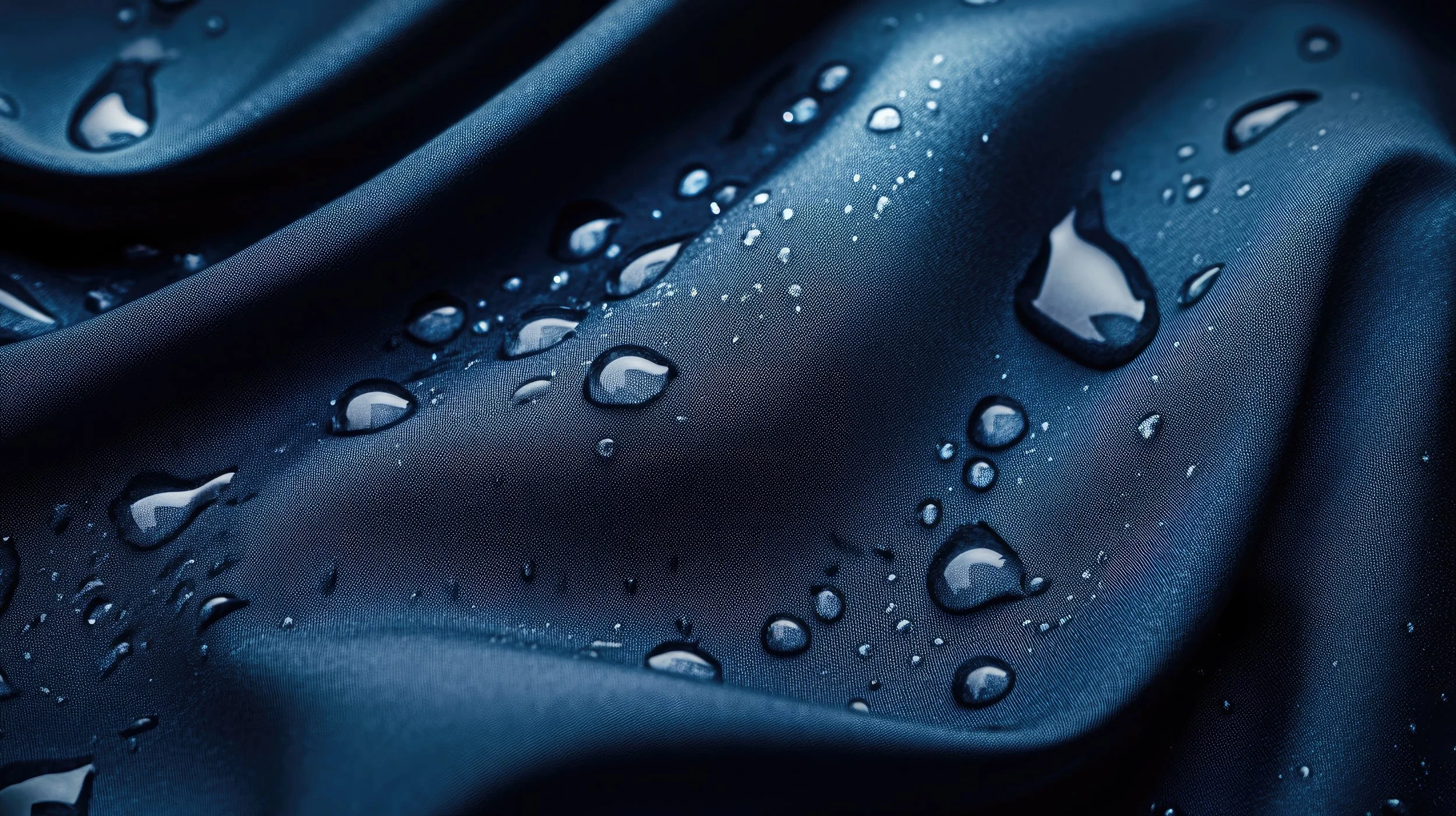
Waterproofing Membranes: Waterproof membranes are key to creating a moisture barrier on floors and walls. There are two main types - liquid and sheet membranes.
Sealants and Caulking: Sealants are used to fill in gaps and joints, preventing water from sneaking through cracks.
Waterproofing Tapes: Waterproof tapes are often used around corners, drains, and joints for extra protection.